
Once you’ve made the decision as to whether you want a small, medium or large van (see our previous Project Vanlife post) the next decision to make is what body style – day van, high roof or pop-top? Choosing a body style that best suits your needs will allow you to get the most out of your conversion and allow you to tailor it to both your own needs and budget. Here we aim to simplify the process by outlining the main pros and cons of each body style to help you make your own decision.
Main Categories
Day van (low roof)
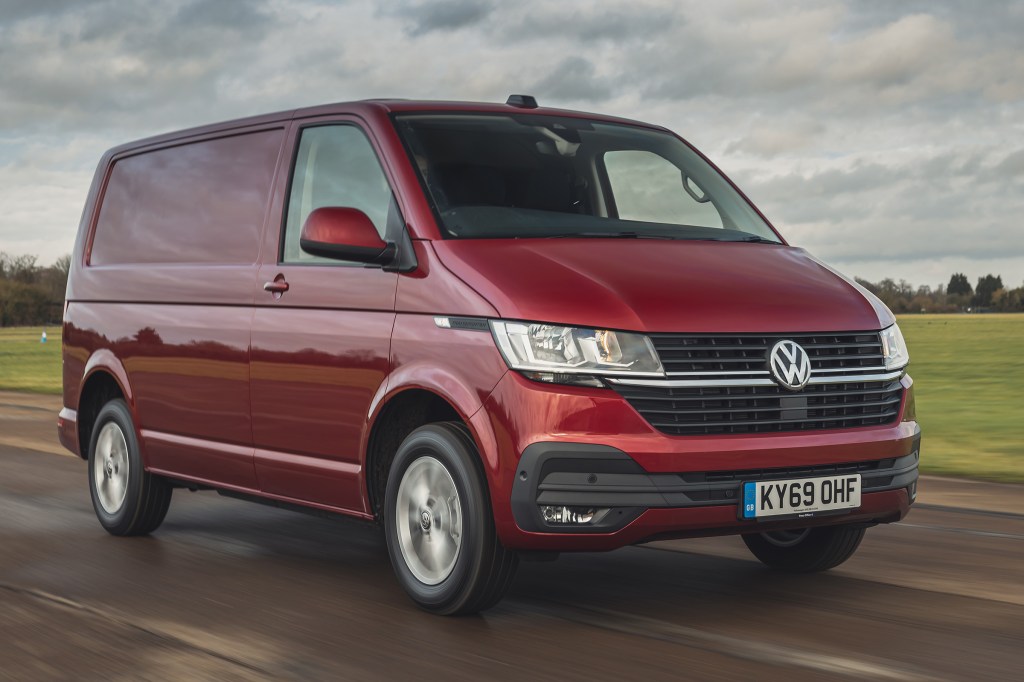
The Day van, as its name suggests, is popular with those who use their van for day or short weekend purposes, wanting simplicity and ease of use at a low cost. This does however come at the expense of internal living practicalities such as standing height.
Benefits
- Cost – day van conversions are the cheapest conversions you can do, with low roof vehicles being cheaper than their high roof counterparts (generally about two thirds the price) and pop-top conversions being a costly add on. The smaller internal space also means that the cost of insulation and lining will be less, making low roof day vans an attractive prospect for those on a budget. Pop-top conversions can always be added at a later date, so day vans can act as a stepping stone whilst saving for a costly pop top conversion.
- Driving practicalities – low roof day vans can be parked in height restricted car parks, and can be more easily stored in garages/carports .
- Running costs – Low roof day vans are the most fuel efficient, so general day to day running costs are lower.
Drawbacks
- Inability to stand inside – Whilst this may seem like a luxury, being able to stand inside your van makes a huge difference to its livability and practicality, with kneeling whilst cooking/changing inside the van getting old quickly.
- Reduced Sleeping Capacity – A pop top or high roof allows you to sleep more people inside, with low roof vans sleeping generally up to two comfortably.
- Less Storage – Low roof vans lose out on storage space, fine for short weekend use, but can be tight for longer trips and road trip
Who’s it for
The day van is perfect for those looking for a cheap means of exploring for day trips or short weekends, those who often travel solo and those travelling light without a need for large living spaces/storage for large sports equipment.
High Roof
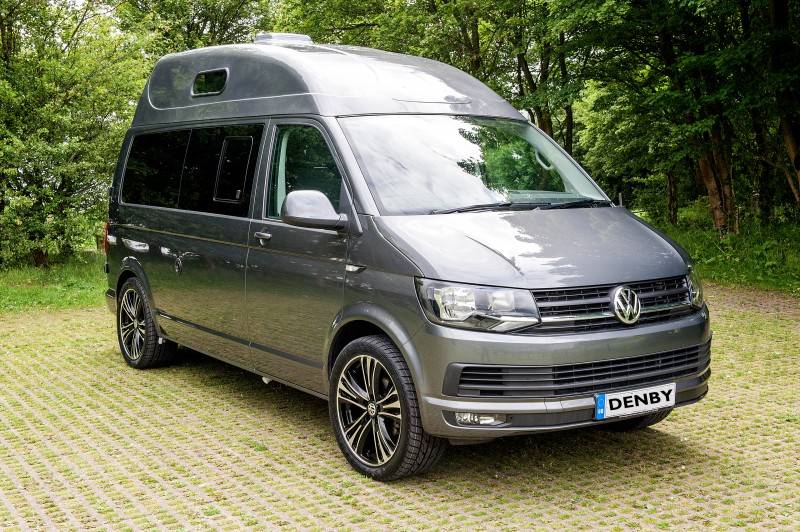
High roof vans are popular with those living in their van full time, or just those that need more space, such as those travelling with large sports equipment. For those who value living/storage space above all, high roof vans are often the way to go.
Benefits
- Space – High roof vans provide the biggest overall living and storage space, and allow comfortable standing room with models such as the Renault Master having internal heights of up to 7 foot!
- Sleeping Capacity – High roof models allow for flexibility in bed designs and layout, even allowing for bunk bed setups! High roof options are generally the choice for those looking to sleep three or more comfortably.
- Cost/Space compromise – With the associated costs of pop-top conversions, high roof vans are often the best compromise between cost and space.
- Rooftop Security – If storing equipment on the roof, such as surfboards/paddle boards/kayaks, and using an internally stored ladder – the high roof can add an extra layer of protection from theft as it is harder to reach the roof.
Drawbacks
- Cost – As previously mentioned, high roof vans can be up to half as much again as the low roof counterparts. This combined with more material required to insulate and line a high roofed vehicle means high roofed vehicles may be beyond some conversion budgets,
- Driving practicalities – High roofed vehicles cannot be parked in height restricted car parks, and can be difficult to maneuver in tight low hanging spaces. High roof vehicles are also more heavily effected by winds
- Running Costs – High roof vans are generally less fuel efficient than those with low roofs and pop tops, so are more expensive to run day to day.
Who’s it for
High roof vans are for those who need space and who cannot justify the cost of a pop-top, or just those for whom space rules all. If you have large sports equipment such as bikes or bouldering pads that need to be stored inside, then the high roof is likely the way to go.
Pop-top
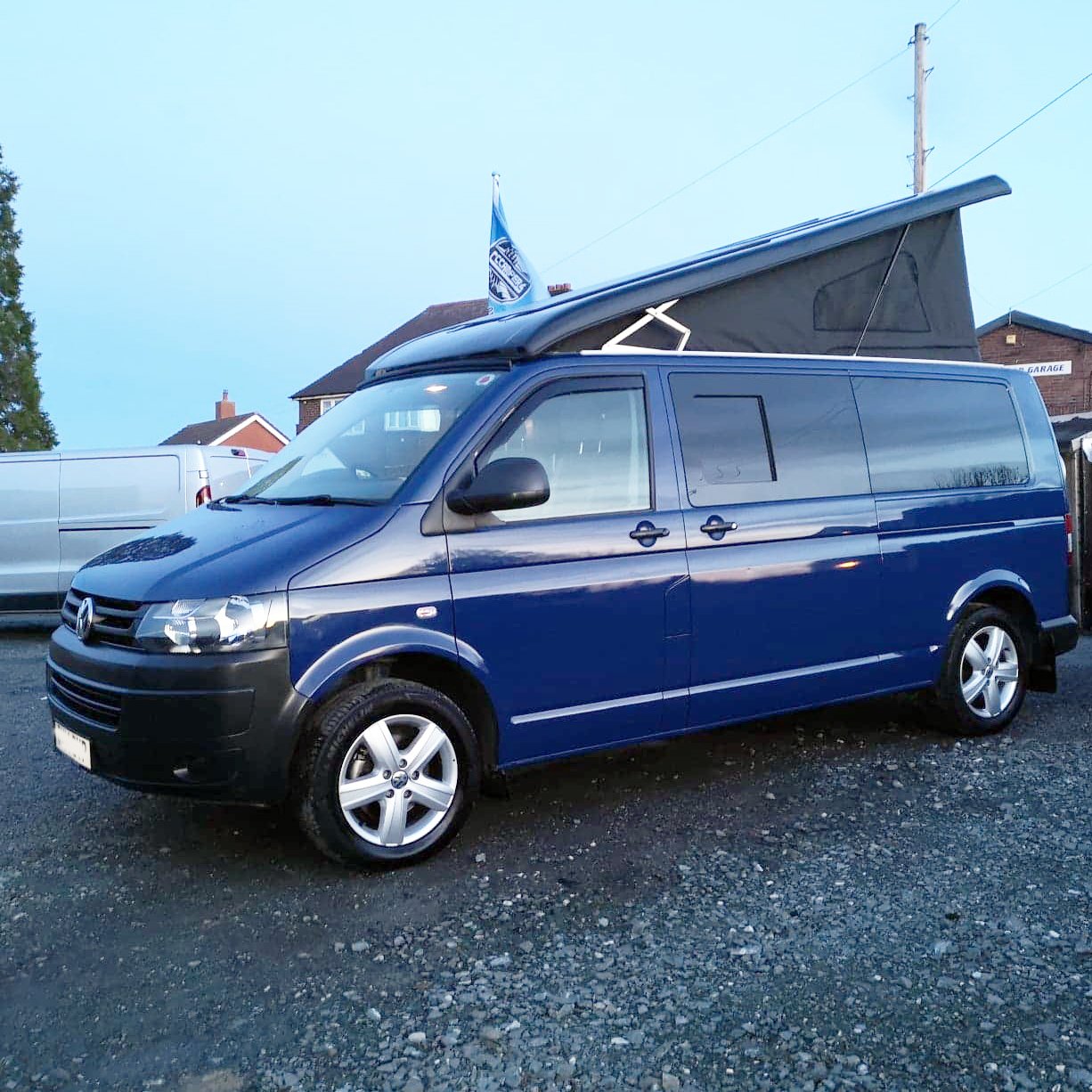
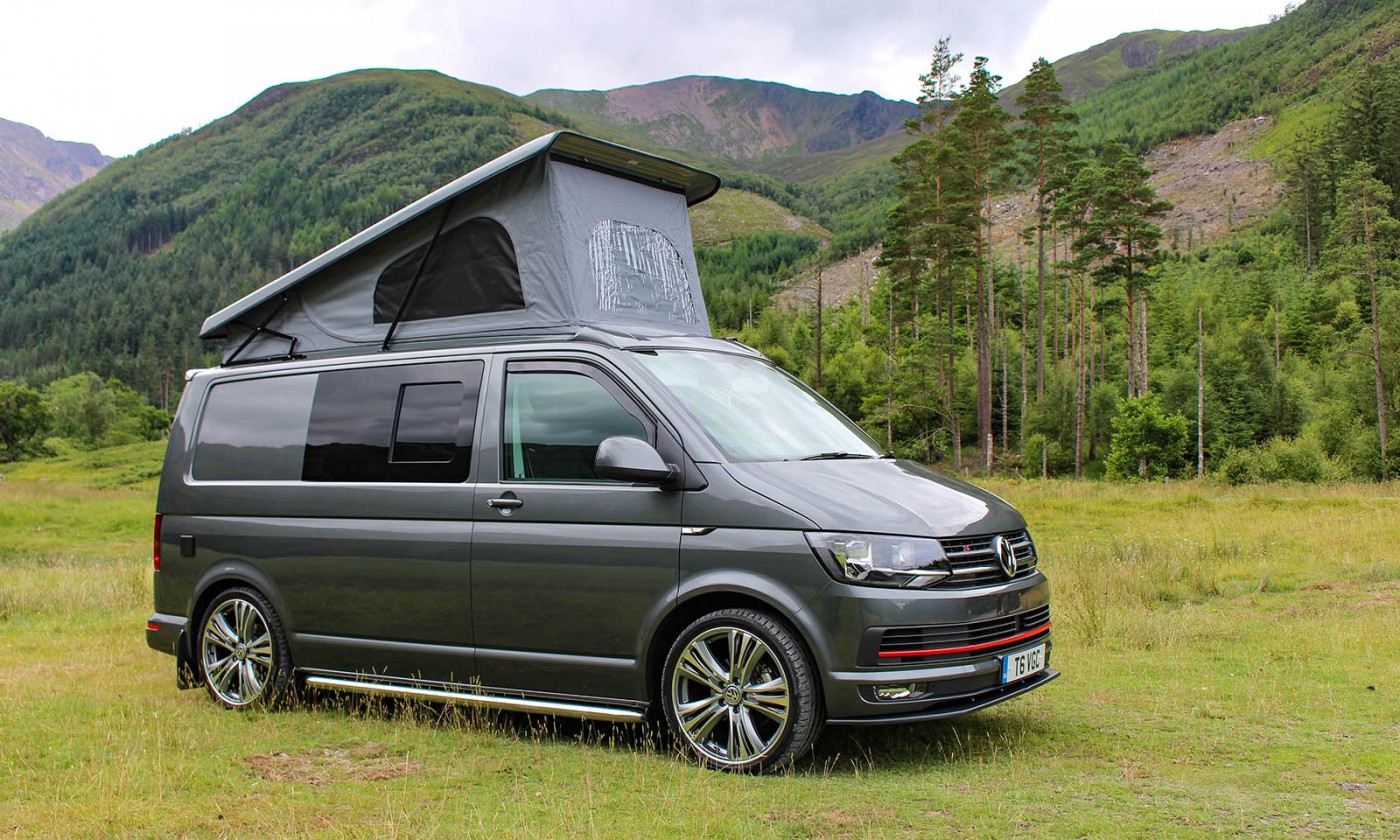
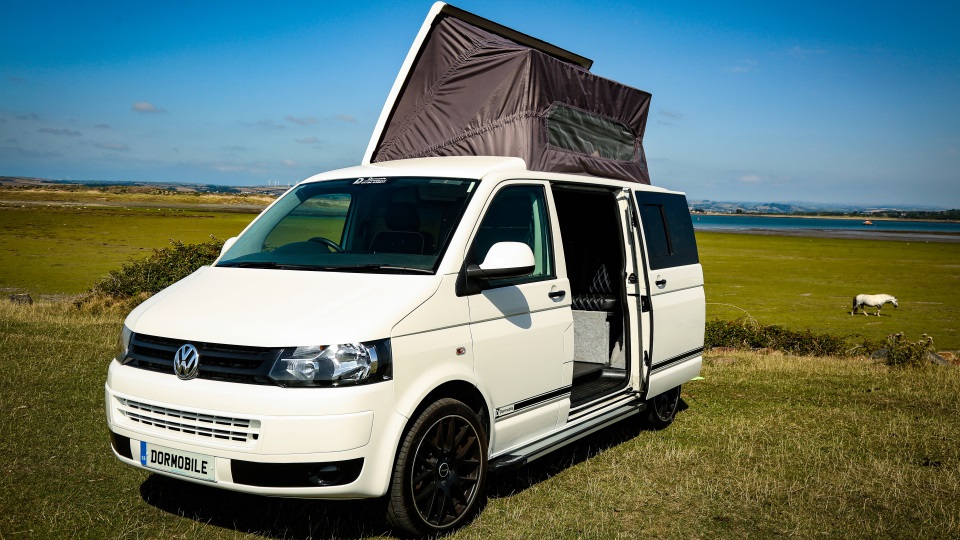
Pop-top vans are the classic modern campervan, and are as popular for their image as for their practicality. Utilising a manually or electrically operated folding marine canvas, pop-tops provide a compromise between space and practicality, as well as bringing their own benefits.
Benefits
- Sleeping Capacity – Most pop top conversions add another two berths (sleeping spaces) to any low roof campervan. Particularly for young families, this allows sleeping space for everyone in a smaller van footprint
- Space – When opened, pop-top conversions allow for greater headroom than most high roof vans provide, allowing for easy cooking and changing in the living area.
- Image – Pop-top campervans are popular in their image and are generally regarded as the ‘coolest’ type of camper to have, and pop-top roofs can often be chosen in a wide range of colors to customise the look of your van.
- Running Costs – Running costs for a pop top van do not really differ from those of a low roof van.
Drawbacks
- Cost – By far and away the biggest drawback to a pop-top is the cost, with prices with fitting starting at £2000 and going up to £4500+ depending on which style you select – that’s more than some full campervan conversions!
- Driving Practicalities – Driving pop-top vans are just like their low roofed counterparts, however some less slimline pop-top roofs may make vans too tall for normal height restricted car parks.
- Durability – The moving parts and canvas layer of the pop-top are less durable than a fixed roof so over time may need to be replaced to keep the roof water tight and working fully.
- Insulation – It is impossible to insulate a pop top roof as well as you can a fixed roof, especially when they are elevated, making it harder to keep heat in on cold nights. In the summer however, their integrated vents can be a good way to keep cool – especially overnight.
- Roof Storage – If storing heavier items on the roof, e.g. large surfboards, rigid paddleboards or kayaks, some pop-tops are unable to be opened as they are generally not designed to support weight when open.
Who’s it for?
Pop-tops are for those who want flexibility without too much compromise, particularly those who regularly need to sleep more than two people but don’t want to sacrifice more space for fixed beds. This makes pop tops perfect for young families and those who desire the classic campervan image.
Hopefully this can help guide which van roof style best suits your desires, lifestyle and budget to make your van as perfect for you as possible!
Happy Travelling!
Zoe and David x
Written by David
 Not-So-Trendy Travellers